
Best Items to Store and What You Shouldn't Put in Storage: A Perth Guide
A friendly local guide from Midvale Storage on the best items to keep in self storage in Perth — and the things you should leave out.
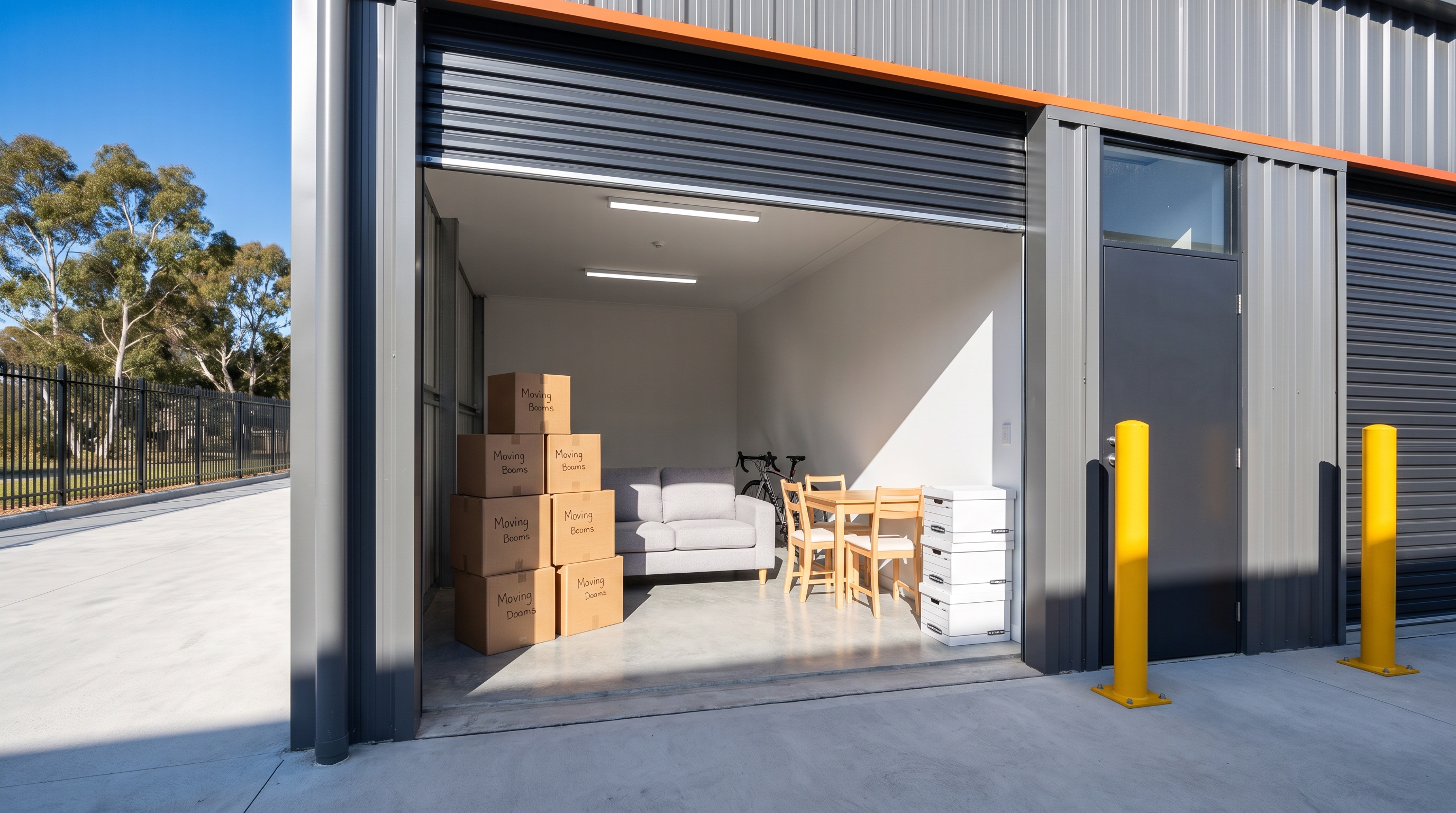
If you're moving house in Midland, renovating in Helena Valley, freeing up your garage in Forrestfield or running an online shop from Bellevue, a storage unit can make life a lot simpler. But not everything belongs in one. Some items are perfect for self storage. Others are unsafe, unsuitable, or prohibited under industry-standard storage agreements.
At Midvale Storage, we look after households and businesses right across Perth's Eastern Suburbs — Midvale, Midland, Bellevue, Helena Valley, Greenmount, Hazelmere, Swan View, Stratton, Forrestfield and Woodbridge. Here's a practical, local guide to what's safe to store, what to leave at home, and how to prep your belongings for a Perth summer.
Best Items to Store in a Self Storage Unit
Self storage is designed for goods — things you want to keep, protect and access later. In practice, that covers a huge range of everyday household and business items.
Household furniture and appliances
Lounges, dining settings, beds, mattresses, wardrobes, bookshelves, fridges, washing machines and dryers are all excellent storage candidates while you move, renovate or downsize. A medium unit typically holds the contents of a one-to-two bedroom apartment, a large unit fits a three-bedroom home, and an extra-large unit suits a four-to-five bedroom home.
Give appliances a clean and dry first. Defrost fridges and freezers, empty washing machines, and leave doors slightly ajar so nothing goes musty in Perth's humid winters.
Boxes, personal effects and seasonal items
Books, kitchenware, clothing, kids' toys, camping gear, sporting equipment and Christmas decorations all store beautifully in sturdy, similar-sized boxes. Label each box clearly and stack the heavier ones on the bottom.
Business stock, documents and archives
Business storage is ideal for inventory and stock overflow, documents and archives, and tools and trade equipment. Online retailers can rotate seasonal stock, accountants and legal firms can archive files, and small businesses can free up expensive office or shop space.
Tradies' tools and equipment
Tools, ladders, fittings and job-site gear can live in a secure storage unit when your ute or workshop is full. Just make sure anything battery-powered is handled carefully (more on lithium-ion batteries below).
Vehicles: cars, caravans, boats and trailers
Cars, 4WDs, motorcycles, caravans, camper trailers, boats, jet skis and trailers can all be kept off your driveway in a secure vehicle bay with perimeter fencing, CCTV and individual unit alarms.
What You Shouldn't Put in a Storage Unit
There are two reasons an item shouldn't go into storage: it isn't safe or suitable, or it's prohibited under your storage agreement. Most Perth facilities — including Midvale Storage — operate under the Self Storage Association of Australasia (SSAA) standard licence agreement, which defines "Prohibited Goods" as: "goods that are hazardous, dangerous, illegal, stolen, flammable, explosive, environmentally harmful, perishable, living, or that can pose a risk to any person or property, including any lithium-ion battery or item containing a lithium-ion battery."
Flammable and dangerous goods
Petrol, diesel, kerosene, LPG and camping gas bottles, oil-based paints, thinners, solvents, aerosols under pressure and fireworks are all classed as flammable liquids or dangerous goods under Australian workplace safety guidance. Storage and handling of these substances is regulated in WA under the Dangerous Goods Safety Act 2004 and the Dangerous Goods Safety (Storage and Handling of Non-explosives) Regulations 2007. They don't belong in a self storage unit.
Hazardous chemicals
Pool chemicals, pesticides, industrial cleaners, strong acids and corrosives can leak, off-gas or react — a real risk in a warm shed or a sealed container. Even household bleach or ammonia can become problematic in a storage environment.
Lithium-ion batteries and battery-powered devices
The SSAA agreement specifically lists lithium-ion batteries or anything containing them as Prohibited Goods. DFES also identifies lithium-ion batteries as a major fire cause in Western Australia. That covers e-scooters, e-bikes, hoverboards, drone batteries, spare power tool packs and similar items — remove and store batteries elsewhere before you drop off equipment.
Perishable food, plants and living things
Food (fresh, frozen or canned), plants and pets are not suitable for storage — they attract pests, decompose, and can't survive in a closed unit.
Illegal or stolen goods, firearms and ammunition
Illegal or stolen items are prohibited outright. Firearms and ammunition also create serious liability issues for facilities and are generally not accepted.
Cash, jewellery and irreplaceable items
Storage isn't a safe or a bank vault. Cash, fine jewellery, original share certificates, passports and one-of-a-kind heirlooms are better kept in a home safe or a bank safety deposit box.
Perth-Specific Considerations
Perth is Australia's sunniest capital, with mean maximum temperatures around 31°C in January and February and about 27 days a year over 35°C. Winters are cool and wet, with most of Perth's annual rainfall falling between May and August. A little planning goes a long way.
Managing summer heat
Heat can warp candles, soften vinyl records, damage delicate electronics and dry out timber. Store sensitive items in the middle of the unit (away from the roller door), keep them in sealed plastic tubs, and avoid leaving anything pressed against the metal wall.
Managing moisture and dust
Even in Perth's dry summers, sudden storms and cool winter nights can bring moisture into any enclosed space. Use pallets or timber offcuts to keep boxes off the concrete slab, pop a few silica gel or moisture absorbers into cartons with fabrics, books or documents, and cover mattresses and lounges with breathable furniture covers rather than plastic wrap.
Long-term storage
If you're storing for six months or more — for example, while you're on a FIFO rotation, travelling or waiting on a build — do a mid-storage visit. Check for pests, moisture, or anything that has shifted, and reseal cartons where needed.
Preparing Your Items Before You Drop Them Off
A little prep protects your belongings and keeps the facility safe for everyone.
Clean everything. Dirt, food residue and moisture attract pests.
Dry appliances and prop doors open. Especially fridges, freezers and washing machines.
Disassemble large furniture. Bag screws, label pieces and photograph the assembly.
Remove batteries from tools, toys and electronics.
Pack in sturdy, similar-sized boxes and label each side.
Leave an aisle so you can reach items at the back.
Ask before storing anything unusual — chemicals, batteries, vehicles with fuel, or sensitive stock.
When You're Not Sure — Just Ask
The best rule is a simple one: if you're not sure whether something belongs in storage, ask before you bring it in. Our team at Midvale Storage is happy to help you choose the right unit size and talk through what's suitable for your move, renovation or business.
Purpose-built, clean and modern — not a converted shed — Midvale Storage is on Farrall Road in Midvale, minutes from Midland, Guildford, Bellevue, Stratton and the Perth Hills. We're a member of the Self Storage Association of Australasia.
Ready to store? Call us on 08 6275 7455 or email admin@midvalestorage.au.
Frequently asked questions
Keep reading
- Security Features to look for in a Storage Facility
Compare storage security features that help protect business stock, trade tools and archives, including Midvale Storage’s verified safeguards.
- Can You Sleep in a Storage Unit? What’s Legal in Perth?
Sleeping in a Perth storage unit is not permitted. Learn the WA rules, safety risks and smarter options for moves or business transitions.
- Common Self Storage Mistakes and How to Avoid Them
Avoid costly self storage mistakes with practical advice on packing, unit size, moisture, access and security from Midvale Storage.
- Self Storage in Midvale: What Questions Should You Ask Before Renting?
Before renting self storage in Midvale, use this local checklist to compare size, pricing, access, security, insurance and rental terms.
- What Size Storage Unit Do I Need?
Unsure what size storage unit you need? Use this practical Midvale Storage guide for household, moving and business storage in Perth’s eastern suburbs.
- How to Choose the Right Self Storage Facility for Your Needs
Discover what to look for when choosing a self storage facility in Perth. Compare security, access, pricing and storage unit sizes before you book.